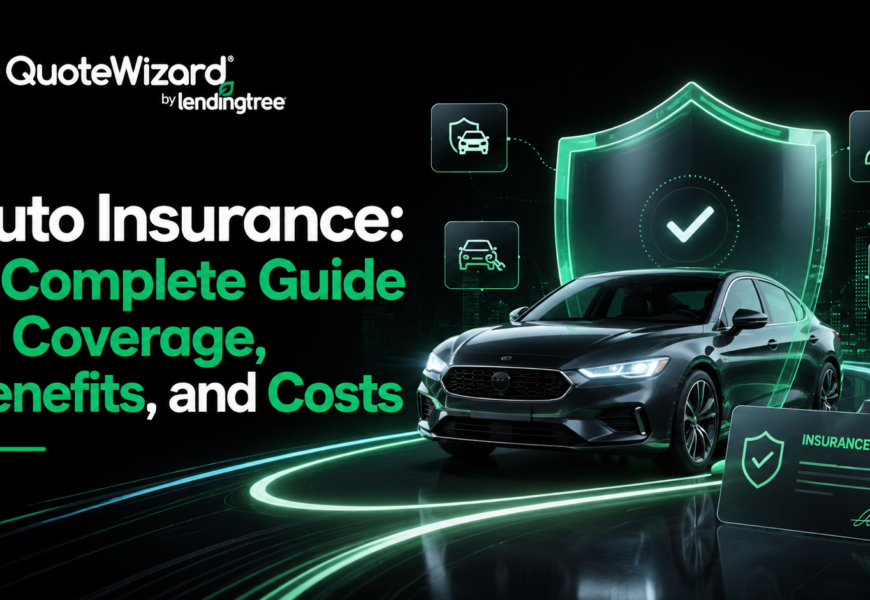
Auto insurance is an important part of responsible vehicle ownership. Whether you use your vehicle for daily commuting, family travel, business, or occasional trips, the right insurance coverage can help protect you from the financial consequences of accidents, theft, damage, and other unexpected events.
Choosing an auto insurance policy can sometimes feel complicated because policies differ in coverage, premiums, deductibles, limits, exclusions, and optional benefits. Understanding these factors can help you make a more informed decision and select coverage that fits your needs and budget.
This guide explains what auto insurance is, the main types of coverage, how premiums work, and what to consider when comparing policies.
What Is Auto Insurance?
Auto insurance is a contract between a vehicle owner or driver and an insurance provider. The policy provides financial protection against specific risks covered by the agreement.
In exchange for paying a premium, the insurance provider may cover eligible expenses resulting from covered accidents, vehicle damage, liability claims, theft, or other specified events.
The exact protection provided depends on the policy, coverage limits, deductibles, exclusions, and applicable requirements.
Why Auto Insurance Is Important
Driving involves risks that can result in significant financial expenses. Even a relatively minor accident can lead to vehicle repairs, property damage, medical costs, or legal expenses.
Appropriate auto insurance can help reduce the financial impact of covered events and provide greater confidence behind the wheel.
1. Financial Protection
One of the main purposes of auto insurance is to protect you from potentially significant expenses resulting from covered incidents.
Depending on the policy, insurance may help pay for eligible repairs, property damage, medical expenses, or other covered costs.
2. Protection Against Vehicle Damage
Certain coverage options can help pay for repairs when your vehicle is damaged in a covered event.
This can be particularly valuable when vehicle repair or replacement costs are high.
3. Liability Protection
Liability coverage can help protect you financially if you are legally responsible for certain injuries or property damage caused to another party.
The amount of protection available depends on the policy’s coverage limits and applicable requirements.
4. Protection Against Theft and Other Risks
Comprehensive coverage may provide protection against certain non-collision events, such as theft, vandalism, fire, falling objects, or eligible weather-related damage.
Coverage varies by policy, so it is important to review the specific terms.
5. Greater Financial Confidence
Knowing that you have appropriate coverage can make unexpected situations easier to manage financially.
Insurance cannot prevent an accident or eliminate all costs, but it can provide valuable financial protection when a covered event occurs.
Types of Auto Insurance Coverage
Different types of auto insurance coverage are designed to protect against different risks.
Liability Insurance
Liability insurance generally helps cover certain costs when you are legally responsible for causing injury to another person or damage to their property.
It commonly includes:
- Bodily injury liability
- Property damage liability
The required minimum coverage can vary depending on applicable laws and regulations.
Collision Coverage
Collision coverage can help pay for eligible repairs to your vehicle after a covered collision.
It may apply when your vehicle collides with another vehicle or object, subject to the policy’s terms and deductible.
Comprehensive Coverage
Comprehensive coverage generally protects against certain damages that are not caused by a collision.
Depending on the policy, this may include:
- Theft
- Vandalism
- Fire
- Falling objects
- Certain weather-related damage
- Other covered non-collision events
Uninsured and Underinsured Motorist Coverage
This coverage may provide protection if you are involved in an accident with a driver who has no insurance or does not have enough insurance to cover certain eligible losses.
Availability and terms vary by policy and jurisdiction.
Medical or Injury-Related Coverage
Some auto insurance policies may include coverage for certain medical expenses or injury-related costs resulting from an accident.
The structure and availability of this coverage depend on the specific policy and applicable rules.
Understanding Auto Insurance Premiums
An auto insurance premium is the amount you pay to maintain your insurance coverage.
Premiums are not the same for every driver. Insurance providers generally evaluate various risk factors when calculating the cost of coverage.
Factors that may influence premiums include:
- Driving history
- Age and driving experience
- Vehicle type and value
- Location
- Annual mileage
- Claims history
- Coverage limits
- Deductible
- Selected coverage options
Because insurers may evaluate these factors differently, comparing multiple policies can help you find suitable coverage at a competitive price.
What Is an Insurance Deductible?
A deductible is the amount you may have to pay toward certain covered losses before the insurance provider contributes to the remaining eligible expenses.
For example, if a covered repair costs $2,000 and your applicable deductible is $500, you may be responsible for the first $500 while the insurer covers the remaining eligible amount according to the policy.
A higher deductible may sometimes result in a lower premium, but it also means greater out-of-pocket responsibility when you make a covered claim.
How to Choose the Right Auto Insurance Policy
Choosing the right policy requires more than looking for the lowest premium.
Assess Your Vehicle
Consider your vehicle’s age, market value, condition, repair costs, and replacement cost.
A newer or more expensive vehicle may require broader protection, while an older vehicle may require a different approach based on its value and your financial situation.
Consider Your Driving Habits
Think about how often you drive, how far you travel, and the environments in which you normally use your vehicle.
Your driving habits can help you determine which coverage options are most relevant.
Compare Coverage Limits
Higher coverage limits can provide greater financial protection but may also increase your premium.
Consider your potential financial exposure rather than choosing limits based only on price.
Review Deductibles
Understand how much you would need to pay out of pocket after a covered claim.
Choose a deductible that you could realistically afford if an unexpected incident occurred.
Check Exclusions
Every policy has limitations and exclusions. Read the policy carefully so you understand what is and is not covered.
Ways to Potentially Lower Auto Insurance Costs
Maintain a Good Driving Record
Safe driving can help reduce risk and may contribute to lower insurance costs depending on the provider and applicable pricing criteria.
Compare Multiple Providers
Insurance prices can vary significantly. Comparing multiple quotes can help you identify potentially better value.
Review Your Policy Regularly
Your circumstances may change over time. Reviewing your coverage can help ensure that you are paying for protection that remains relevant to your needs.
Ask About Discounts
Some insurers offer discounts based on factors such as safe driving, multiple vehicles, security features, or other qualifying circumstances.
Always confirm eligibility and terms with the provider.
Choose Your Deductible Carefully
A higher deductible may reduce your premium in some situations, but you should only select one that you can comfortably afford if you need to make a claim.
Common Auto Insurance Mistakes to Avoid
Choosing the Cheapest Policy
The lowest premium may come with lower coverage limits, higher deductibles, or fewer benefits.
Always compare the complete policy rather than the price alone.
Not Reading the Policy
Understanding exclusions, limits, deductibles, and claim procedures is essential before purchasing coverage.
Underinsuring Your Vehicle
Selecting insufficient coverage may leave you financially exposed after a serious accident or major loss.
Ignoring Policy Changes
Insurance needs can change when you purchase a new vehicle, change your driving habits, or experience other significant circumstances.
Allowing Coverage to Lapse
A lapse in coverage can create financial and legal complications depending on applicable requirements. Maintain continuous coverage when required and appropriate.
What to Do After an Accident
If you are involved in an accident, prioritize everyone’s safety first and follow applicable emergency procedures.
When it is safe to do so:
- Move to a safe location when possible.
- Check whether anyone needs immediate assistance.
- Contact the appropriate authorities when required.
- Exchange relevant information with the other parties.
- Document the accident and visible damage when appropriate.
- Collect witness information if available.
- Notify your insurance provider according to your policy.
- Keep records of communications, repairs, and related expenses.
Following the correct process can help make a potential claim easier to manage.
Why Regular Policy Reviews Matter
Your insurance needs can change over time. A policy that was suitable when you first purchased it may not provide the same value later.
Review your policy periodically and consider changes in:
- Vehicle value
- Driving frequency
- Annual mileage
- Household circumstances
- Coverage requirements
- Deductibles
- Premiums
Regular reviews can help ensure that your coverage continues to match your current needs.
Final Thoughts
Auto insurance provides an important layer of financial protection for drivers and vehicle owners. From liability protection and collision coverage to comprehensive protection against theft and other covered risks, the right policy can help reduce the financial impact of unexpected events.
However, choosing suitable coverage requires careful consideration. Look beyond the premium and compare coverage limits, deductibles, exclusions, benefits, and potential out-of-pocket costs.
By reviewing your policy regularly, comparing available options, maintaining safe driving habits, and understanding your coverage, you can make more informed decisions about protecting yourself, your vehicle, and your finances.